Too Sensitive for Homeopathy? Here's What's Actually Happening
On toxic burden, burdened emunctories, and why the most important work is often the work you can't yet feel.
If you've ever had a strong reaction to a homeopathic remedy — an aggravation that felt overwhelming rather than healing, a wave of symptoms that didn't resolve, a general sense of feeling worse rather than better that wasn’t followed by overall improvement — you may have concluded that homeopathy simply isn't for you. Or perhaps a practitioner suggested going lower in potency, and the same thing happened. Or lower still. And at some point the implicit message became: your system is just too sensitive.
I want to offer a different way of understanding what was happening.
Sensitivity is information about your terrain
In terrain-based care, sensitivity isn't a flaw in the person or a sign that a particular modality is contraindicated. It's a signal about the state of the terrain — the internal environment in which all healing work takes place. A highly reactive system is, in many cases, a system carrying a significant toxic burden with insufficient capacity to process and eliminate it.
Think of it this way: the emunctories — the organs and pathways through which the body eliminates waste, including the liver, kidneys, lymph, skin, and bowel — need to be open and functional for any deeper work to move cleanly through the system. When they're congested or sluggish, anything that mobilizes stored toxins creates a problem: the toxins are stirred up, but they have nowhere to go. They recirculate. The person feels worse.
A strong reaction isn't the body rejecting the remedy. It's the body showing you, with considerable clarity, that the drainage pathways need attention first.
This is true whether the reaction was to a homeopathic remedy, an herbal protocol, or a supplement. Reactivity across modalities is one of the clearest signs I see in practice of a terrain that is burdened and in need of drainage support before anything stimulating is introduced.
Why lowering the potency doesn't always solve the problem
The instinct to reduce potency when someone reacts strongly is understandable — it reduces the intensity of the stimulus. But it doesn't address the underlying condition. The terrain is still burdened. The emunctories are still congested. A lower potency remedy may produce a milder reaction, but it's still stimulating a system that isn't yet ready to respond productively. The question isn't how hard we're pushing — it's whether the channels are open to receive what's being asked of them.
What's needed in these cases isn't a gentler version of the same approach. It's a different starting point entirely.
Biotherapeutic Drainage: preparing the ground
Biotherapeutic Drainage is a tradition within European biological practice that works specifically with the emunctories — supporting the liver, kidneys, lymphatic system, and connective tissue in their eliminative function. Rather than stimulating the vital force directly, drainage work focuses on restoring the capacity of these organs to process and release what they've accumulated.
In my practice, I now begin here with clients whose terrain indicates it. This is something I've come to through experience: I've seen the difference in clinical outcomes when drainage precedes deeper constitutional work, and I've also seen what happens — or doesn't happen — when it's skipped. The results are not subtle.
But there's something important to name about this phase of the work: it is often invisible. Unlike a well-chosen constitutional remedy, which can produce noticeable shifts relatively quickly in a responsive system, drainage work tends to happen beneath the surface. Organ function is being restored. Eliminative capacity is being rebuilt. The ground is being prepared. A person may not feel dramatically different in the first weeks — and this is actually a sign that the work is proceeding gently and appropriately, rather than overwhelming a system that isn't ready.
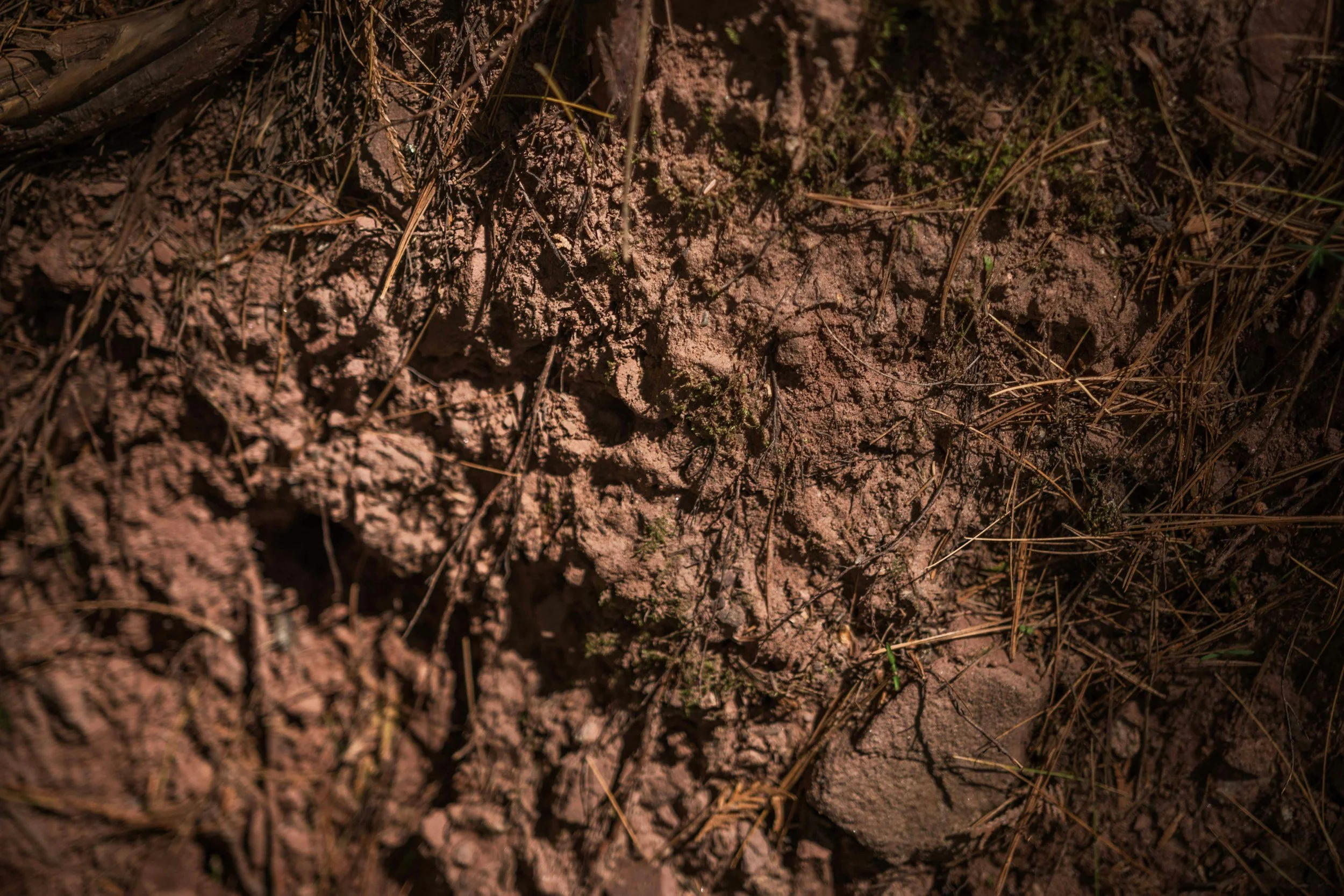
Some of the most important work in terrain restoration is the work that happens underground, before anything has visibly germinated.
This requires a particular kind of trust — both from the client and from the practitioner. We live in a healthcare culture that equates felt response with progress. Drainage asks us to hold a longer view: that preparing the soil is as essential as anything planted in it, and that a foundation built slowly is what allows lasting change to take root.
What this means if you've struggled with sensitivity
If you've had difficult experiences with homeopathy or other terrain-based approaches, I'd invite you to consider that your system wasn't failing — it was communicating. Strong reactivity is one of the ways a burdened terrain makes itself known. It's not a reason to give up on this work. In many cases, it's precisely where that work needs to begin.
Working with sensitivity means starting where the body actually is, not where we'd like it to be. It means building the conditions for deeper work before asking the system to do that work. And it means understanding that the path to lasting restoration is often less dramatic than we expect — and more durable for it.